When the Swifts Leave the Sky


Late last month, the young common swifts left the skies over Geneva for their annual migration to Western and Central Africa. They will return again next June, darting through the air in sharp arcs, scooping insects as they go. (Swifts are the O.G. aerial insectivores—able to feed on hundreds, even thousands, of insects in a single day!)
The thing is, I did not notice they had gone until one day, I looked for them, and the skies were still. I thought they might linger because it was still warm, because there were still insects around. But they had already left.
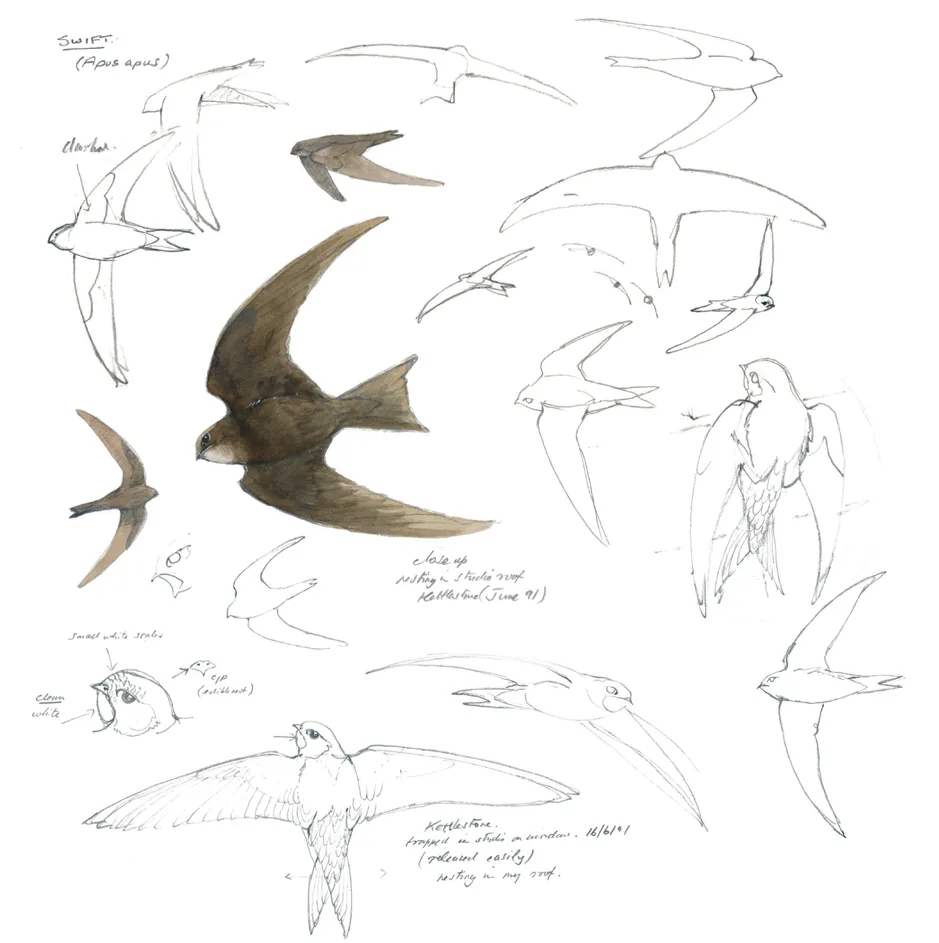
One evening, I sat at the window with a cup of tea, chatting with a friend, and I told her about the swifts. My daughter and I call them the “day-bats of the air” because of the way they swoop. Did you know swifts rarely land on the ground at all? Their wings are too long and their legs too short to lift off from a flat surface. Some have even been recorded flying nonstop for 200 days!
I am a science nerd—always will be—and I love these details. But what I love even more is what they offer a reminder of: so much of life is happening around us whether or not we notice. Every year, the swifts arrive, and I do not notice until one day I do. And every year, they leave, and I only realize it when the sky feels strangely still.
This is what daydreaming and window-gazing give me: a chance to notice the ecosystem I belong to. The pigeons who rest on the metal roof across the street to catch the morning sun. The magpie who makes a racket every day at 7 a.m. The changing constellations overhead. These ordinary observances are part of my world, and noticing them feels like an act of belonging.
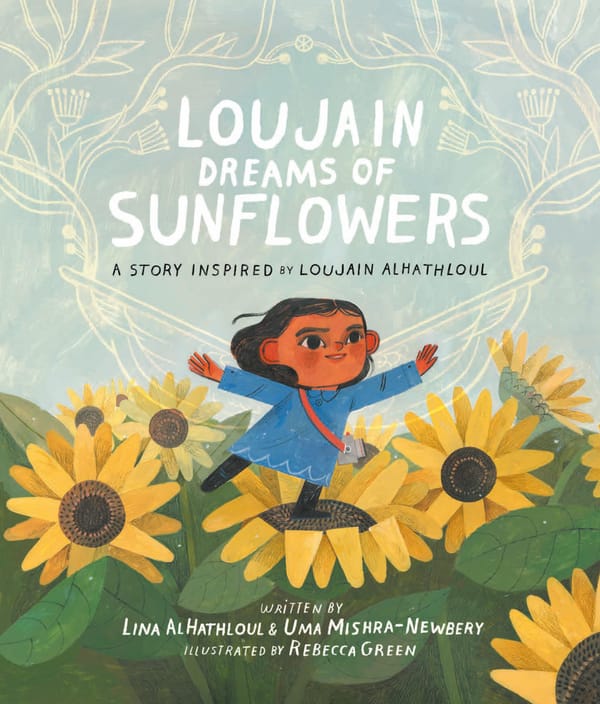
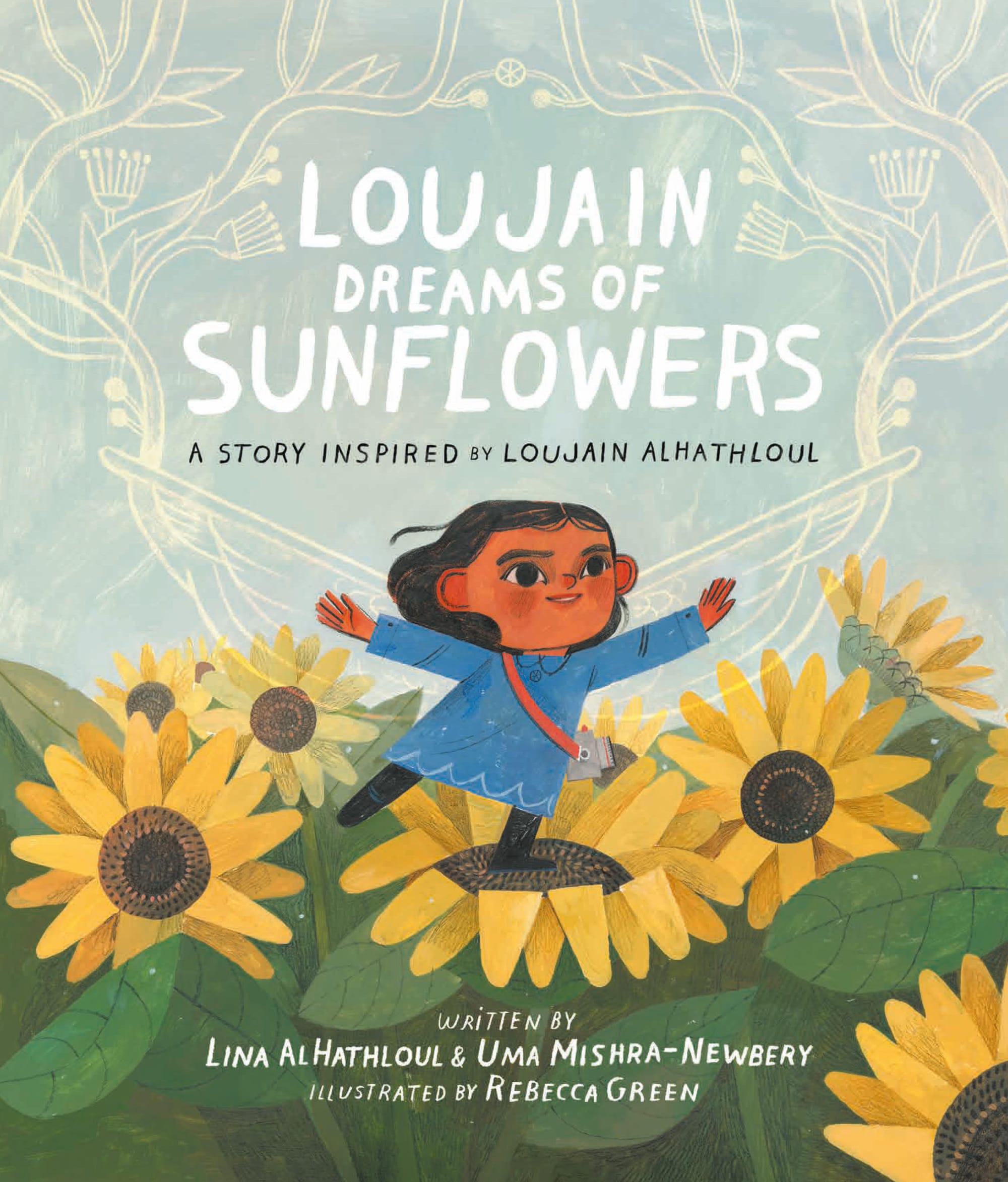
And yet, in my own work, I have long struggled to notice and integrate all the parts of my ecosystem. I am a children’s picture book author (now slowly trying my hand at middle grade). I am a former chemistry teacher and forever nerd. I am also wholly dedicated to root work, somatic abolition, and holding space for liberatory ecosystem-building. At face value, these parts do not always seem to fit. For years, I kept them in separate rooms of my life.
But what does it mean to integrate all parts of our ecosystem—especially the ones that don’t fit at face value? The histories we carry that do not align neatly with the roles we play. The tensions between writing stories for children and sitting with grief, rage, and abolition.
Integration, for me, is not about erasing those edges. It is about honoring them. Letting the parts live alongside each other, and finding harmony not by smoothing them over, but by making space for their complexity.
I was struck by a post on LinkedIn from Enna U., who wrote:
“If you play a caretaker for other people’s expectations, worldview and emotions, you cannot dream big, AND execute. You are too busy fulfilling other people’s expectations of you. It is okay to be disliked for just being yourself. You want the people that will love you and pour into you for being yourself, not a tool for their goals.”
That landed deeply. It reminded me that creating an honest home for my work is not about pleasing or fitting into boxes—it is about cultivating the courage to let the fullness of who I am be seen, even if it does not align neatly with other people’s expectations.
So, I have been moving slowly toward what integration feels like for me—speaking aloud these parts of myself, letting them coexist in one place. I recently shared an update to my website. It may seem like a small thing, but for me it feels like a return—a way of honoring the observance of it all. My site now holds the somatic chat spaces I’ve been quietly offering, alongside the creative pool of my children’s writing. It feels, finally, like a growing home that reflects the whole ecosystem of me.
This work is not about fixing or optimizing. It is not about becoming more productive or “resilient.” It is about making room—to notice, to breathe, to feel. To reclaim what was always ours.
And while the world around us feels impossibly heavy, while violent systems unravel people’s lives daily, this too is a way of showing up. We do our work in the small corners we can reach, with the integrity we can offer. We keep weaving—because our ecosystems depend on it.
So dear friend and reader, what parts of your life or work need your soft noticing? What would it look like to gather all the parts of yourself and begin to tend to your own work of ecosystemic belonging?
If you are curious, you can wander through my newly updated home here: umamishranewbery.com
With care,
Uma