We Must Show Up…
My speech for Women’s March Geneva — 18 Jan 2020
My speech for Women’s March Geneva — 18 Jan 2020
This past weekend over 50 events in 24 countries took place in support of the 4th annual Global Women’s March. I marched in 2017 in Geneva, Switzerland — but since then have been behind the computer which the Global team helping to produce the Livestream every year for Women’s March Global.
This year we did things a little differently and so I was able to attend and support Women’s March Geneva once again for their event. Women’s March Geneva asked me to speak on behalf of the Global movement and I wanted to share speech I delivered on Saturday.
When I wrote this speech I was thinking about all of the issues we focus on from a global movement perspective and how every single person marching shows up for their own reasons. I wanted to leave people with three actions they could take in their own progress forward as activists and social change agents — I hope these actions inspire you to join this necessary global movement for collective liberation.
Three years ago — on the 21st of Jan 2017–3000 people marched here in Geneva from the Jardin Anglais across the Mont Blanc bridge facing icy freezing conditions and the Bise wind hitting our faces. That march was a response to the election of a facist, racist and white supremacist President in the United States.
We did not march alone that day. We were joined by millions of people around the world because we all knew that if we did not pour into the streets, if we did not say something — our silence would mean something bigger.
Women’s March Global was born out of that moment in time but we have continued to grow in our scope determined to build and support a global intersectional movement.
Today we Marching together in 23 countries around the world. Already marches have taken place in Lusaka, Zambia — in Bangkok, in Bulgaria, in Harare, in Oslo, in Groningen — and now in Geneva!
In Geneva we are here because we say firmly that Climate Justice IS a Feminist Issue. Our sisters and allies in Australia know this all too well as they reel from the effects of devastating bushfires. In Micronesia, they are Marching because they see the impacts of the climate crisis first hand. Sea levels are rising and their islands are being swallowed by the oceans.
In Canada over 10 cities are marching for missing and murdered indigenous women, and against devastating fossil fuel and tar sand projects like Teck which impact indigenous communities first and foremost.
In Zambia, Nigeria, Kenya and Zimbabwe our sisters and allies are marching for the right to have control over their own bodies.
We each March for our own reasons.
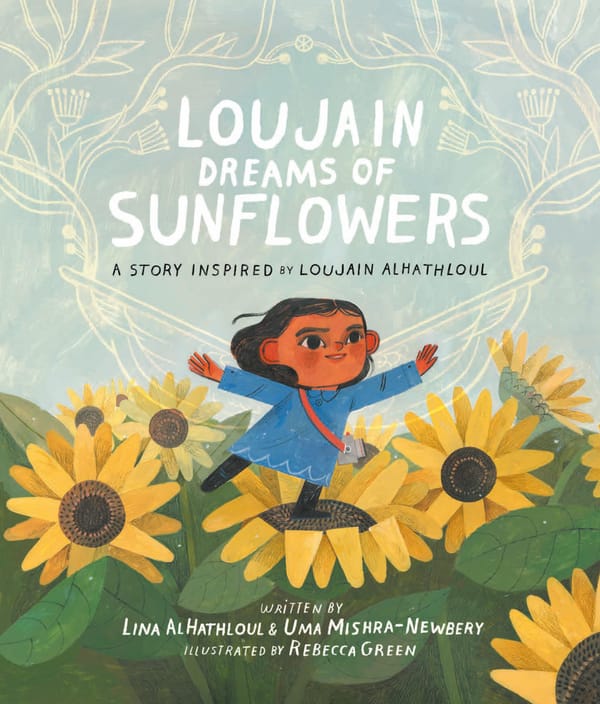
But we know there is not just one issue to March for. This is because all oppression is connected. The same leaders who speak on one hand of supporting women’s rights are the same leaders who make multi billion dollar arms and weapons deals with governments who continue to silence, imprison, and torture women — like Loujain al-Hathloul — who dare to fight for their human rights.
When we show up together, we acknowledge that each issue feeds a system that oppresses and binds us all. When we show up together for each other, we put cracks in the foundations of those systems. This is what an intersectional movement looks like.
So folks — we MUST show up for our indigenous families, our refugee families, our poverty-stricken families, our Muslim, and Jewish, and war torn families.
We must show up — say it with me! — We must show up! for black women, for trans women, for those most marginalised. For brave women human rights defenders sitting and the victims of mass incarceration.
We must show up! For students who have to skip school to demand climate justice once and for all.
We must show up! For indigenous protectors of our planet who have always led this climate movement forward.
We must show up! against politicians, leaders, banks, and institutions that continue to deny us our human rights, who will let our rights be negotiated away for money and power.
We must show up for those who are brutally attacked by the State — like students in India — as they protest oppressive and fascist laws and policies.
We must show up for those who live under the daily threat of occupation — like the people of Palestine and Kashmir.
This is what an intersectional movement looks like.
So Friends and allies while this fight for justice may seem daunting — at Women’s March Global we know that all actions, big and small, matter. You being here today matters.
So I want to leave you today with three actions each and every one of you can take to keep fighting for our collective freedom:
- Listen — center the voices of those most marginalised.
Listen to, and follow women of color, indigenous women, trans women, and trans women of color. But above listening — support us in leading the grassroots movements that are so needed.
As Lilla Watson an Aboriginal activist Queensland says: “If you have come here to help me, you are wasting your time. But if you have come because your liberation is bound up with mine, then let us work together.”
2. Be Aware — These are intense times.
Here in Geneva at the UN member states literally work together to strip away our rights — our rights to bodily autonomy, our rights to fight for our planet, our rights to live in peace…. We must be aware — we can no longer live in ignorance — this is a luxury not afforded to people of color and those most impacted by oppressive policies and laws.
3. Show up — Take the time to show up for each other.
This event we all showed up for today exists because of the sweat equity, the labor and time of volunteers. The same is true for every single event happening around the world right now. Take the time to show up for the people and causes you believe in. Acknowledge and support the work. We cannot do this alone — we need each other. If you think you have no place in the movement — ask yourself why you showed up today and then tomorrow ask — what can I do from here?
So three Calls to Action: Listen. Be Aware. Show Up.
TODAY is the first day of a new decade of protest. There is so much ahead of us. But there is also so much hope.
So I ask you
What do we want?
Justice!
When do we want it?
Now!