A Letter to the Quiet Ones (and Other Small Kindnesses)
Hello again.
It’s been a while. Three months, in fact. I’ve been living through a stretch of quiet—some of it intentional, some of it survival. You know how life gets loud in its own way even when you stop speaking out loud? That’s the space I’ve been in: intense work, thick fog, and slow, necessary repair.
To the ones who are or have been quiet too—this letter is for you.
You, who’ve paused not because you had nothing to say, but because there was too much. Because the world hurts. Because your body needed a break. Because you forgot how to hold a pen, or a thought, or yourself. I want to offer you the smallest reminder that you are not alone in this.
There’s been grief, yes. And exhaustion. But also: a friend showing up with food and tenderness when I was at the bottom, not even needing to be asked. A text that said, “No need to reply, just thinking of you.” Someone saying, “Let me help,” and meaning it. The quiet generosity of mutual aid—unspoken but deeply understood.
It reminds me that community is not something we build just for when things are good. We pour into it always—because one day, it holds us without question. A net, a web, a lifeline woven over time.
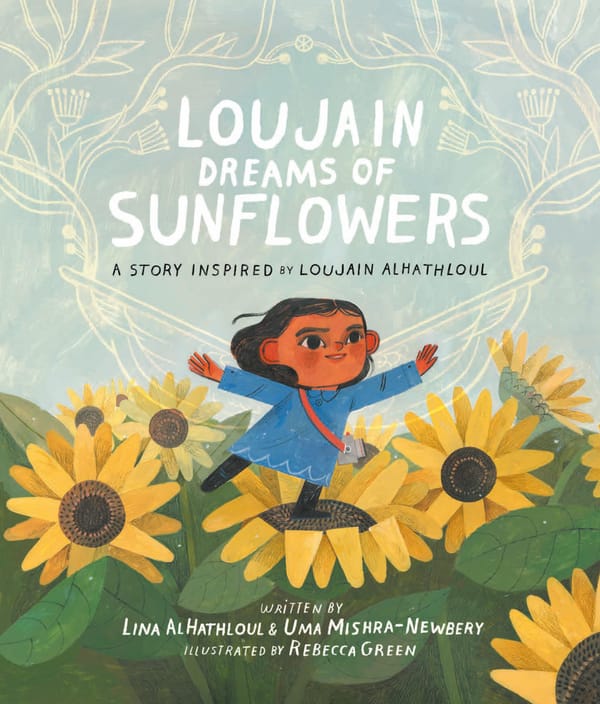
In these months, I've come back to writing children’s picture books after a long creative dry spell. Ideas are flowing through me now. There’s more to share, but for now, I’m simply glad to be on the banks of that river again. That current of creation that had gone underground.
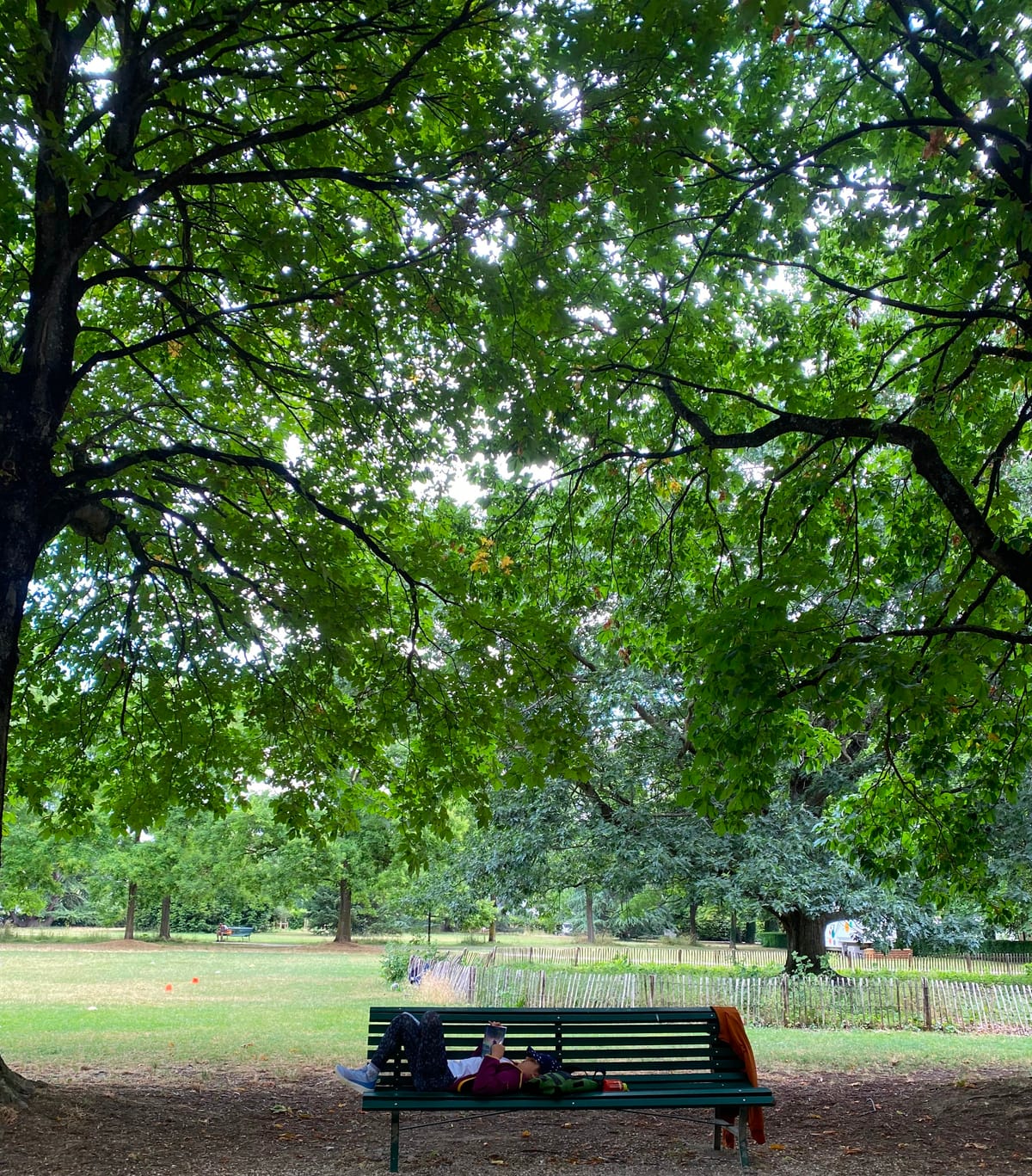
And I’ve been weaving through the familiar fog of depression. For me, depression has never been the absence of happiness—it’s the struggle to find vitality. But even in the fog, I continue to notice the good: the way pomegranate seeds glisten in a bowl of oranges. The reading of a book under a rustling tree. The taste of moka pot coffee in the morning sun. The voice of my daughter asking a hundred impossible questions about race, power, and fairness, just before bedtime. The deep breath I didn’t know I needed.
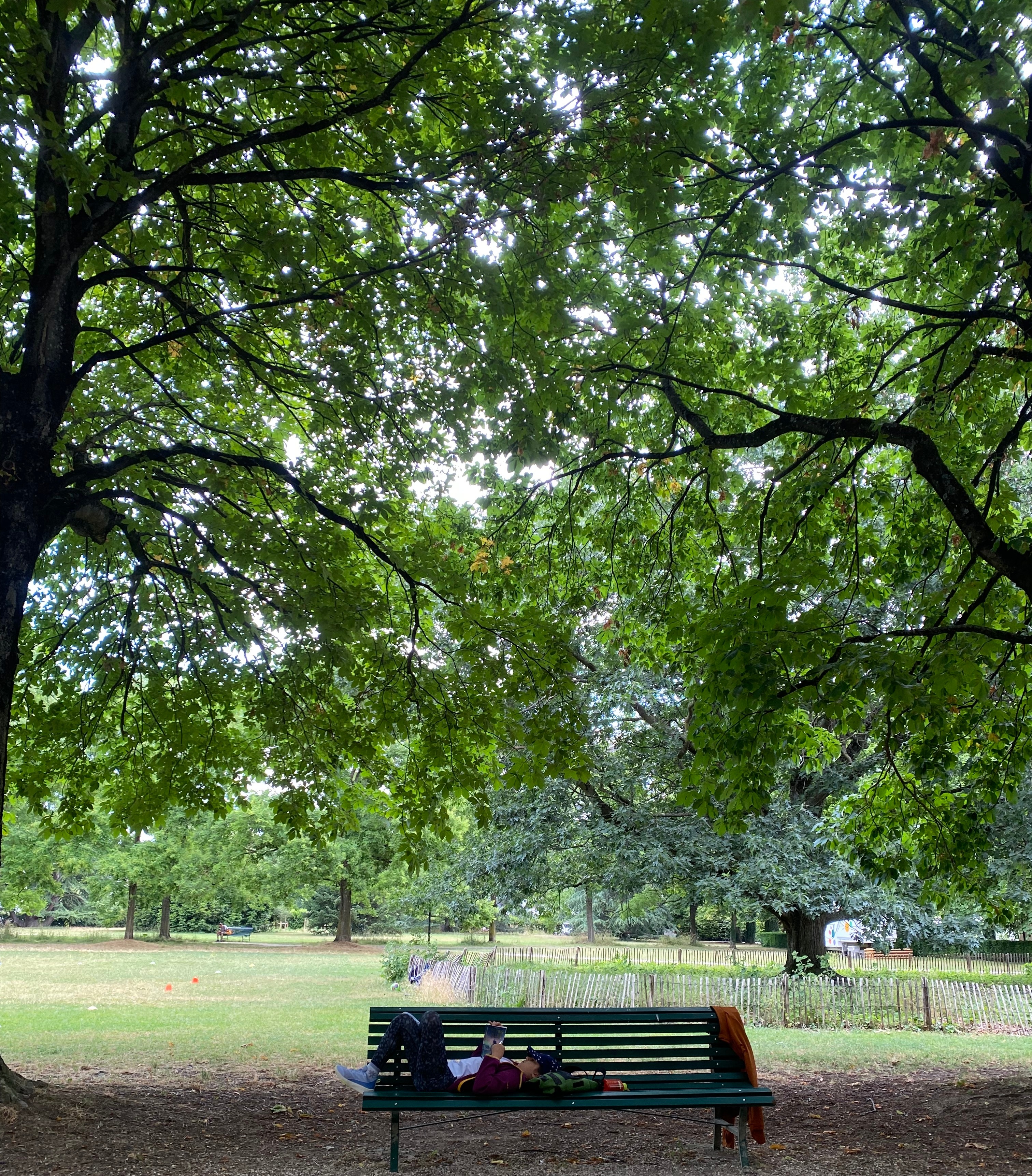
These small joys are not distractions. They are anchors. They keep me rooted in gratitude.
I’ve been moving my body more—not in any glamorous or performative way, just…movement. Because water doesn’t flow through a closed tap. Our emotions need to move, too, or they calcify. A walk, a stretch, a sigh. A moment to let your body remember it’s still here. Not somatics as a trend, but as abolition. As liberation.
And I’ve been reading again because the page holds so many lessons others have already gathered. Because someone else’s clarity can sometimes lend shape to our own scattered thoughts.
So if you’re moving slowly right now—if you’re finding it hard to speak, or write, or breathe: it’s okay. You’re not behind. You’re not broken. There is still tenderness in this world, and it’s worth noticing.
One small kindness (to yourself) at a time.
With care,
Uma
TREES: A MICROCOSM is a reader-supported publication. To receive new posts and support my work, consider becoming a free or paid subscriber.
P.S.
If you’re reading this while sipping coffee, eating fruit, or enjoying a meal—please take a moment to honor the hands that made that possible. Farmworkers, many of whom are immigrants and undocumented, are the backbone of our food systems. And they are rising up right now.
A national U.S. farmworker strike—Huelga Para La Dignidad—is being organized to demand fair wages, protections from ICE raids, and basic human dignity. Farmworkers are the people who grow, tend, harvest, and transport the foods that nourish us. The ones whose labor is invisible but essential.
Why this matters:
Farmworkers face brutal conditions, poverty wages, and constant surveillance—yet they are excluded from many labor protections. Supporting this strike means demanding a food system that values people, not just profit.
What you can do:
- Follow and amplify voices organizing the strike (@flowerinspanish, @jcfrias ).
- Donate to farmworker mutual aid funds if you’re able.
- Call or write to local officials demanding protections for agricultural laborers.
- Talk about this. Bring it up at the table.
- And always, always give thanks for the hands that feed you.
The food we eat carries stories. Honor the people who make it possible.